

Metal floor lamp
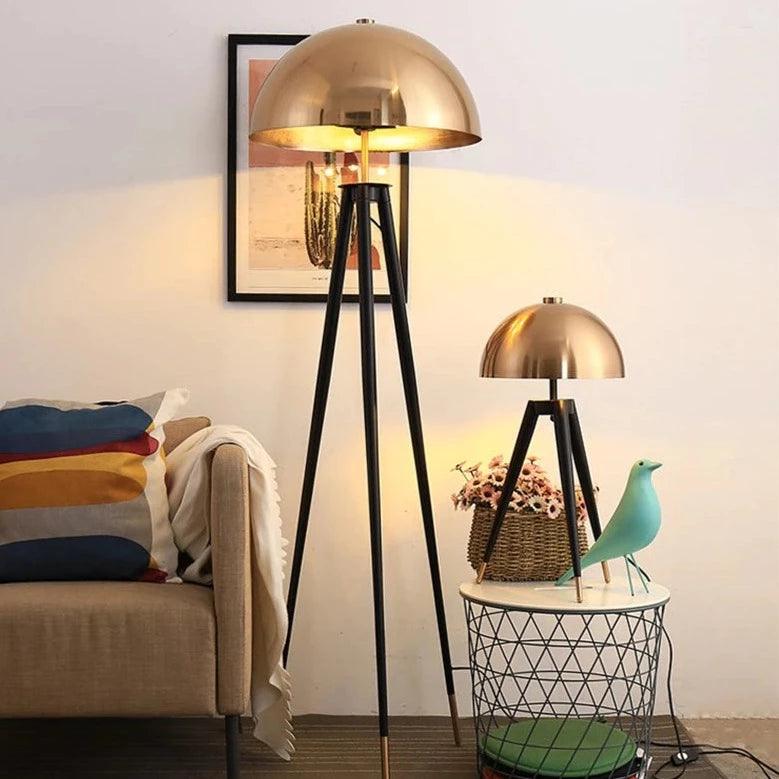
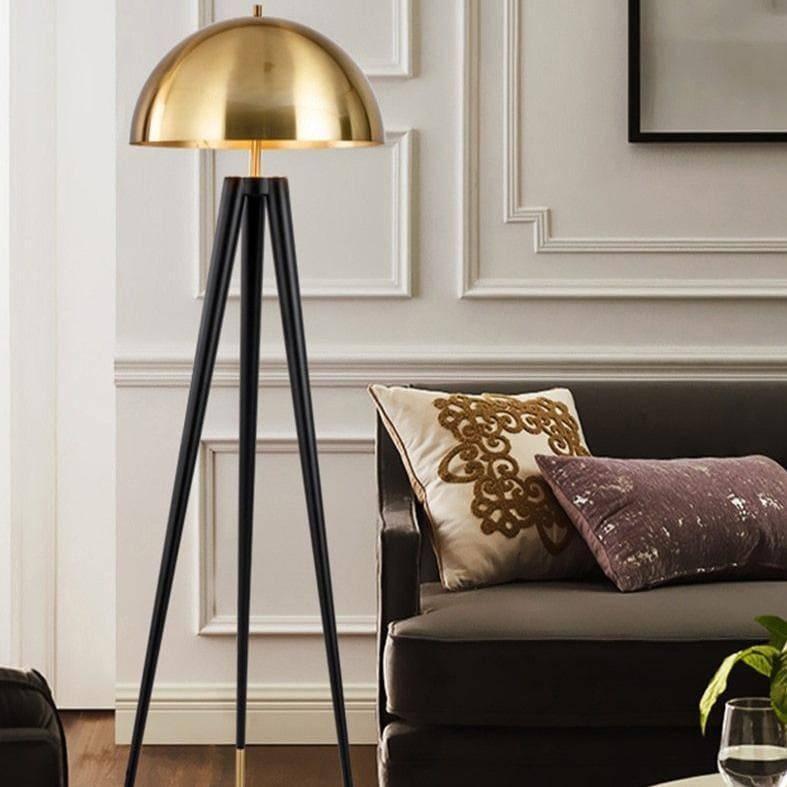
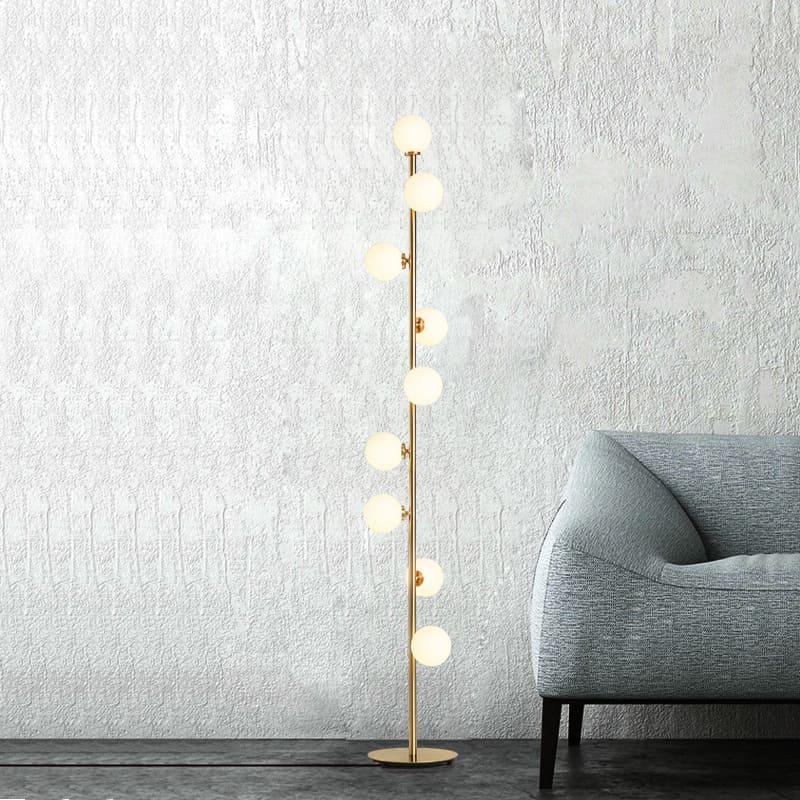
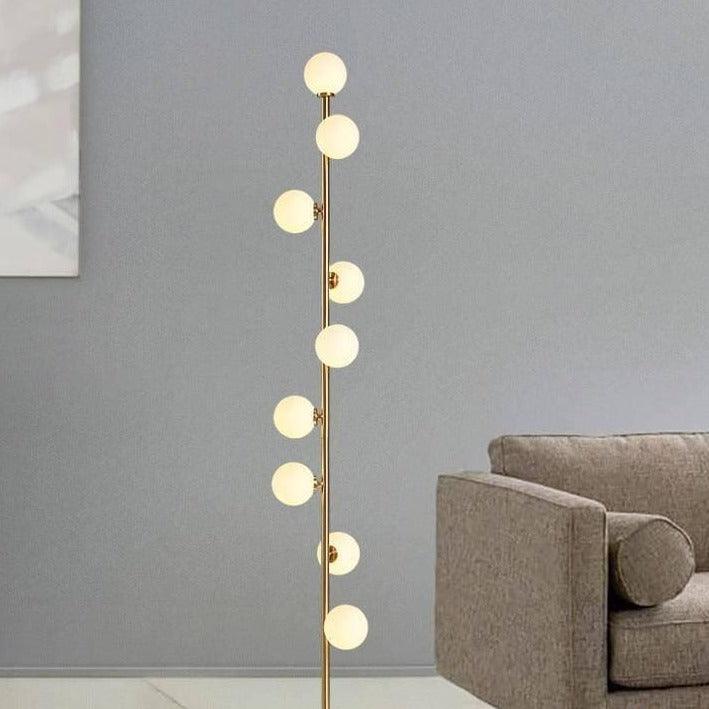


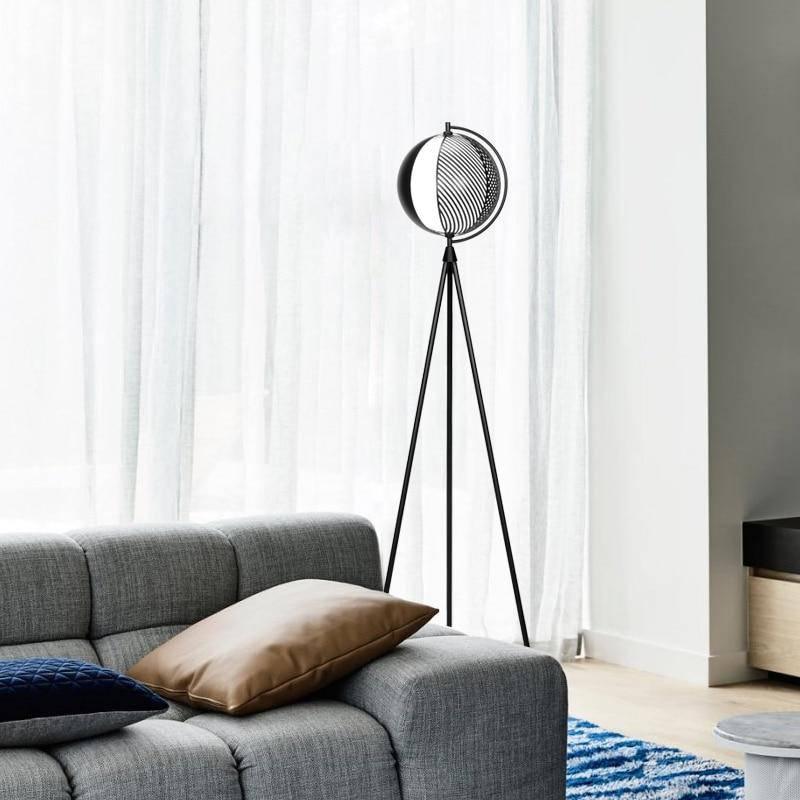
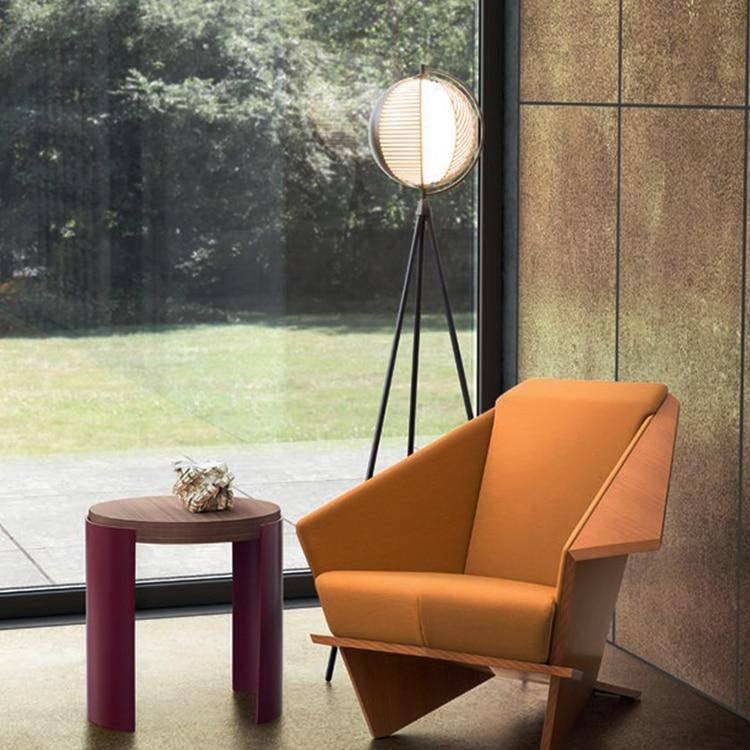
Metal gives a floor lamp what organic materials cannot: precision of line, permanence of form, a clarity that reads from across the room.
Steel, iron, aluminium, brass, each alloy carries a different personality, but all share the ability to define an object through structure rather than surface.
A metal floor lamp doesn't suggest its presence. It states it. That directness is why it remains the backbone of most serious lighting plans, from minimal apartments to furnished living rooms.
Precision as a material quality
Metal bends, welds and turns with an exactness that wood and fabric cannot match. A drawn steel stem, a cast iron base, a spun aluminium shade: industrial processes give the metal floor lamp proportions that the eye reads instantly.
No ambiguity, no approximation. That legibility is what makes metal so effective in contemporary interiors, where every object needs to earn its place through form as much as function.
Black, gold, brushed: finish changes everything
The same steel lamp reads as industrial in matte black, precious in gold, technical in brushed chrome. The finish redefines the object without altering its structure.
Painted metal absorbs light, polished metal reflects it, brushed metal holds it at the surface. Three behaviours, three decorative registers, one base material.
Metal alongside natural materials
Metal alone can feel cold. Paired with wood, linen or wicker, it gains warmth without losing rigour. A black steel stem under a raw linen shade, a brass arm mounted on an oak base: these are the most common pairings in current interiors.
The wicker floor lamp collection shows this complementarity at its clearest, where natural fibre softens what metal sharpens. In a complete lighting plan, the metal floor lamp often serves as the structural anchor around which softer sources are arranged.
Metal floor lamps: finishes, forms and functions
The metal floor lamp covers the widest range in the standing luminaire category. From raw iron to powder-coated aluminium, from industrial to design, the treatment of the surface and the choice of alloy orient each model toward a distinct register.
Colour and finish
Black metal floor lamp
Black metal reads as graphic punctuation in a room. A black metal floor lamp cuts through a pale interior with the sharpness of a drawn line, anchoring the composition without competing with surrounding colour. Its versatility explains why it remains the single most popular finish in the category.
Metal shade floor lamp
When the shade itself is metal, light becomes directional. A metal shade floor lamp focuses the beam downward or to the side, eliminating the diffused glow that fabric and paper produce.
The result is a more defined pool of light, suited to reading corners, task areas and spaces where precision matters more than ambiance.
Metallic floor lamp
The word metallic suggests a reflective quality beyond the material itself. A metallic floor lamp, whether chrome, pewter or gunmetal, introduces a mirror-like surface that interacts with every other light source in the room.
It bounces colour, catches movement, and shifts in tone as the day progresses.
Style and period
Vintage metal floor lamp
Older metal lamps carry the marks of their manufacturing era. A vintage metal floor lamp in pressed steel or cast iron shows tool marks, seam lines and a weight distribution that modern production has largely abandoned.
These details give the object a solidity and character that lighter contemporary models trade for convenience.
Metal rustic floor lamps
Rustic metal embraces imperfection deliberately. Metal rustic floor lamps feature forge marks, visible welds, surfaces left rough or deliberately distressed.
They suit farmhouse conversions, country homes and any space where the raw quality of the material is part of the decorative language.
Metal floor lamps
As a category, metal floor lamps represent the broadest church in standing lighting.
From Victorian cast iron to Bauhaus tubular steel, from Milanese chrome to Scandinavian powder-coated aluminium, the material has adapted to every design movement of the past two centuries without ever falling out of use.
That resilience says everything about its fundamental appeal.
Construction and components
Metal floor lamp base
The base determines stability, weight and the visual footing of the entire lamp. A metal floor lamp base in cast iron or weighted steel ensures the lamp holds its position on any surface.
The base is also where the design language begins: round, square, tripod, disc. Every shape sends a different signal about the object above it.
Metal floor lamp with metal shade
Full metal construction, from base to shade, produces a lamp of total material coherence. A metal floor lamp with metal shade reads as a single uninterrupted statement, the same alloy or finish running from the ground to the top of the object.
There is no softening, no contrast, only the purest expression of the material.
3 head metal globe floor lamp
Multiple light sources on a single stem multiply the lamp's functional range. A 3 head metal globe floor lamp distributes light at different heights and angles, filling a room more evenly than a single-shade model.
The globe form softens the metal's industrial edge, adding a sculptural quality that works in both modern and retro settings.