

Design table lamp
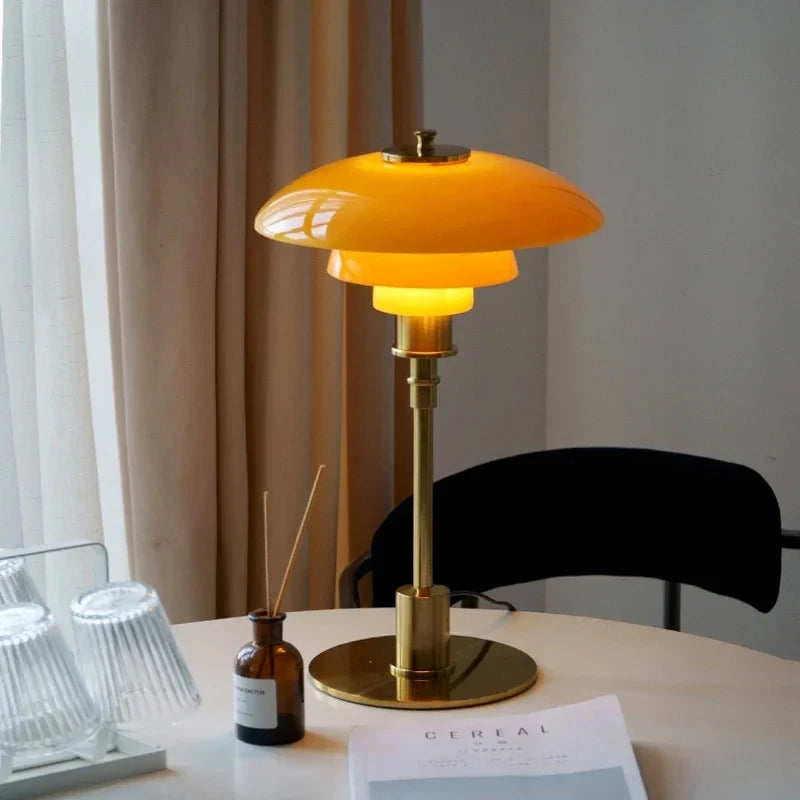
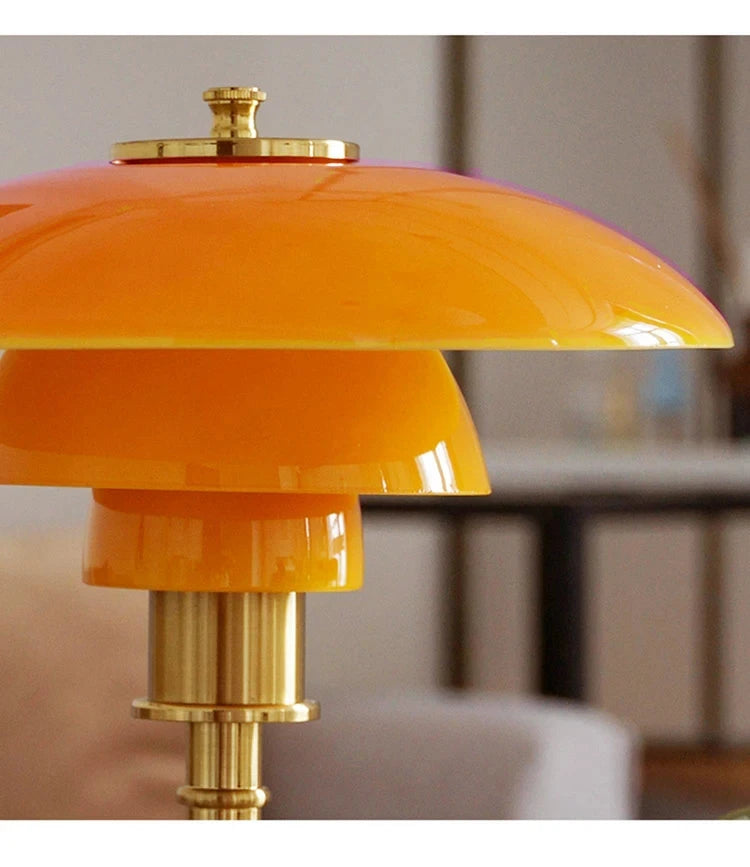


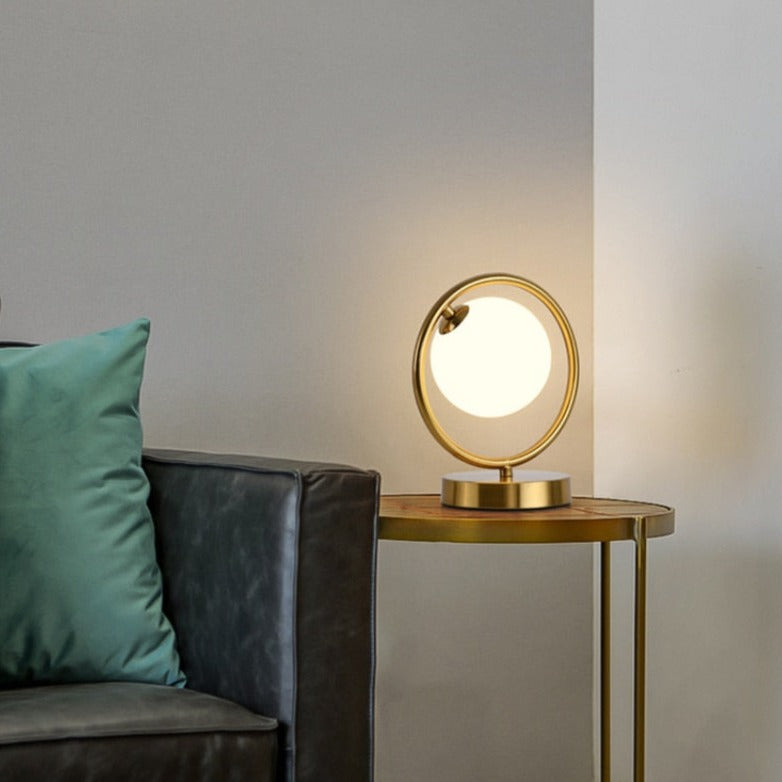
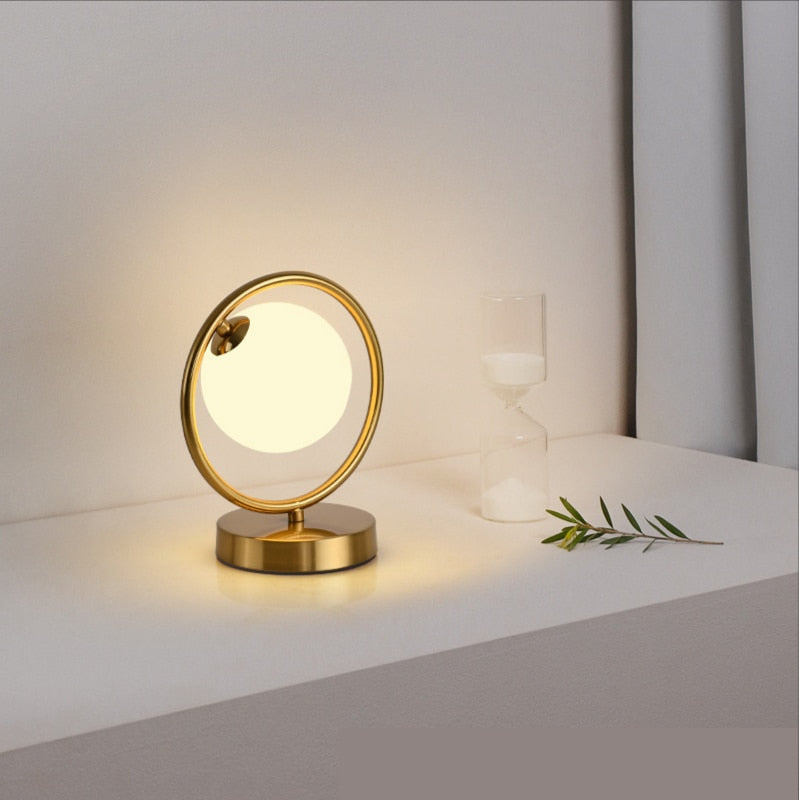


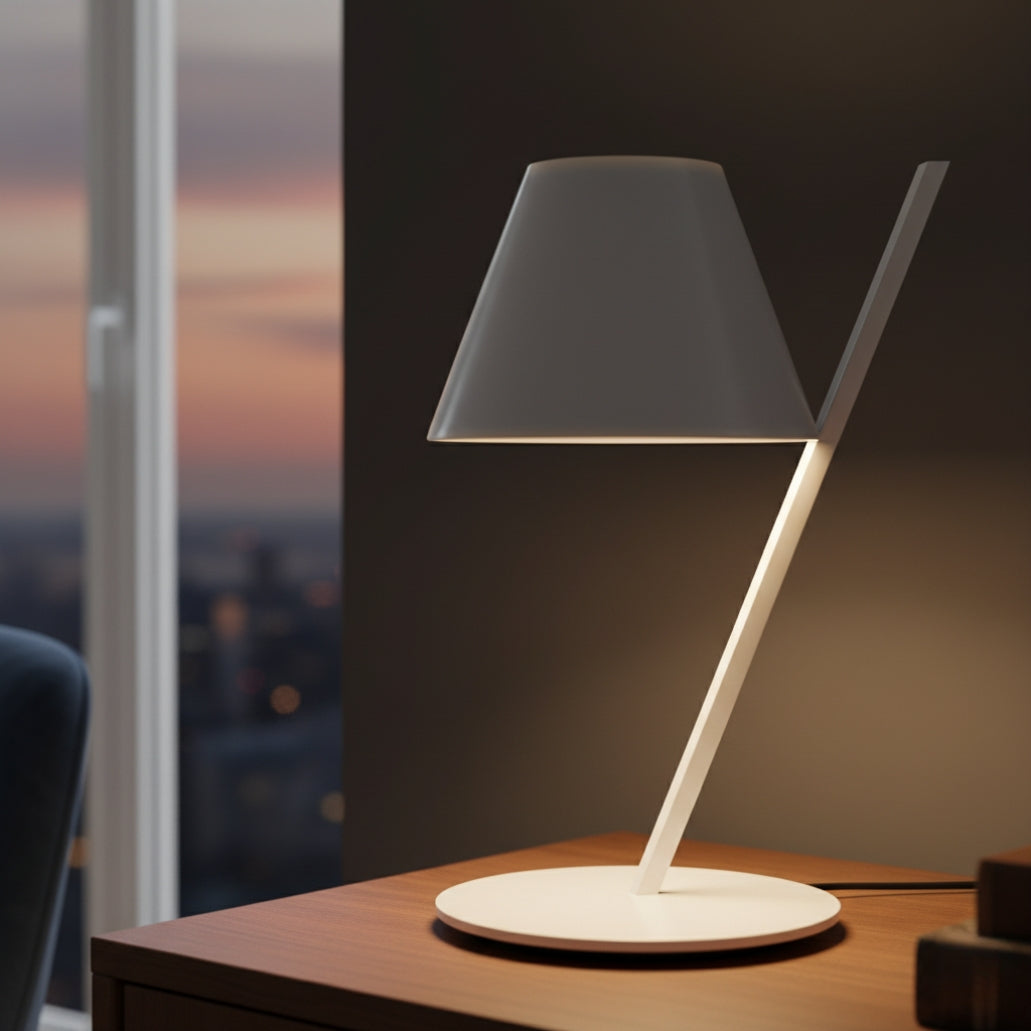
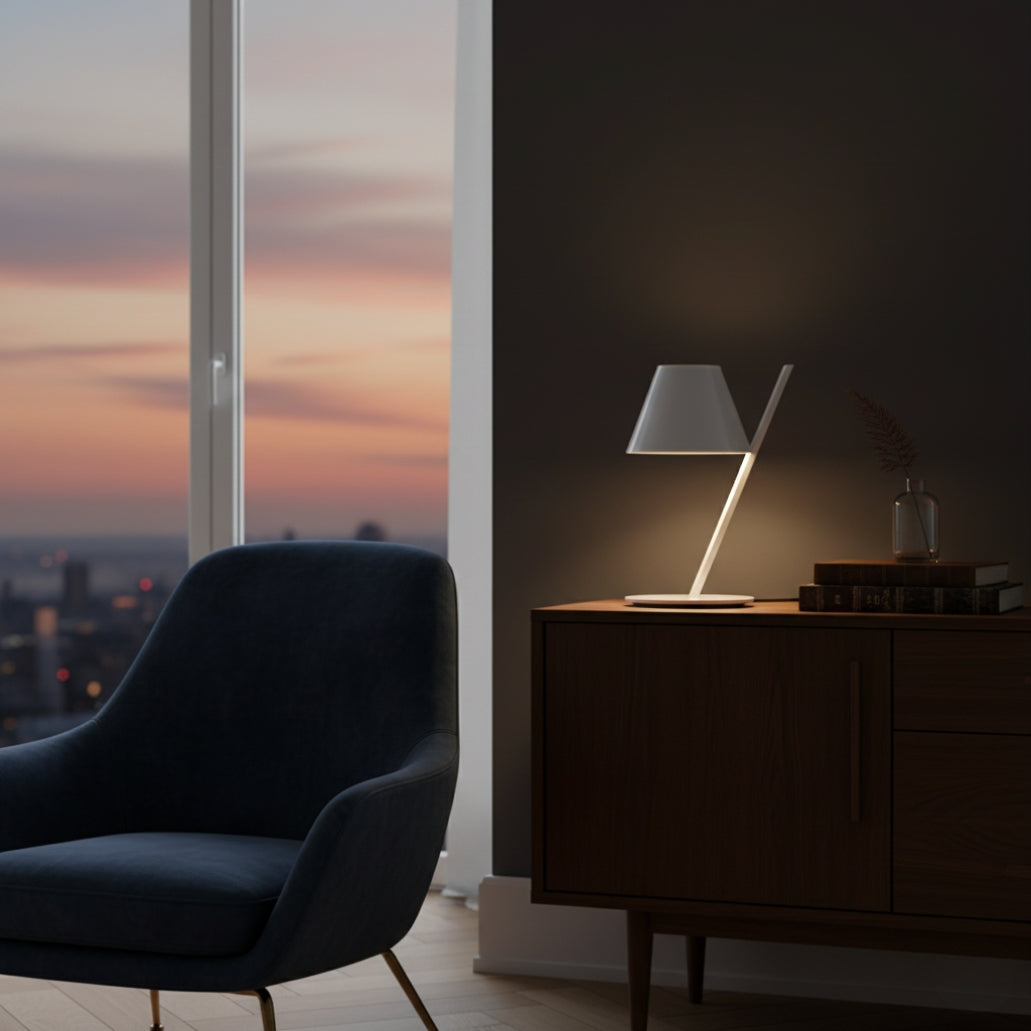


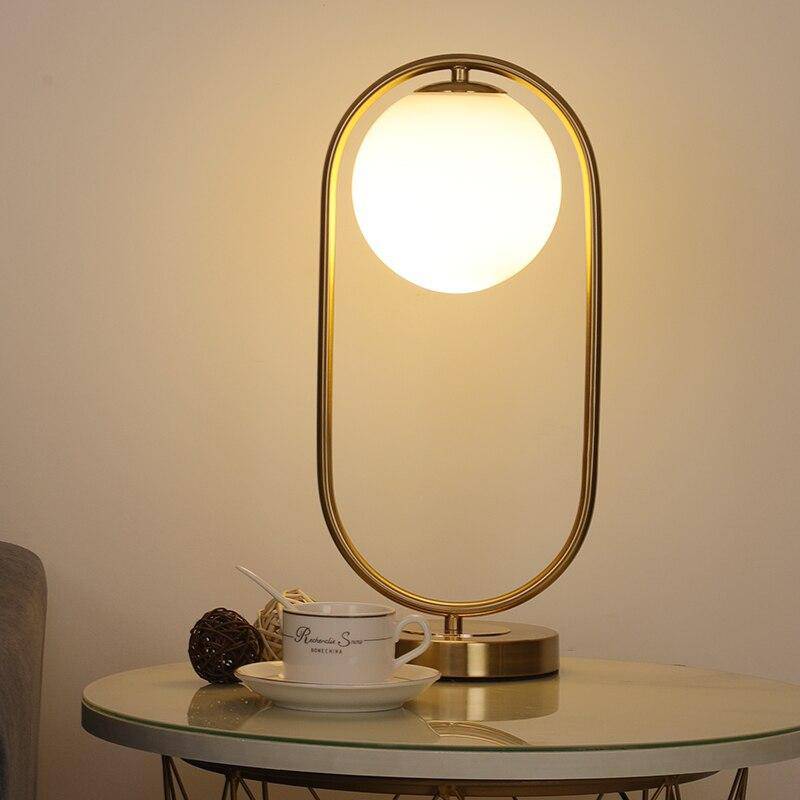
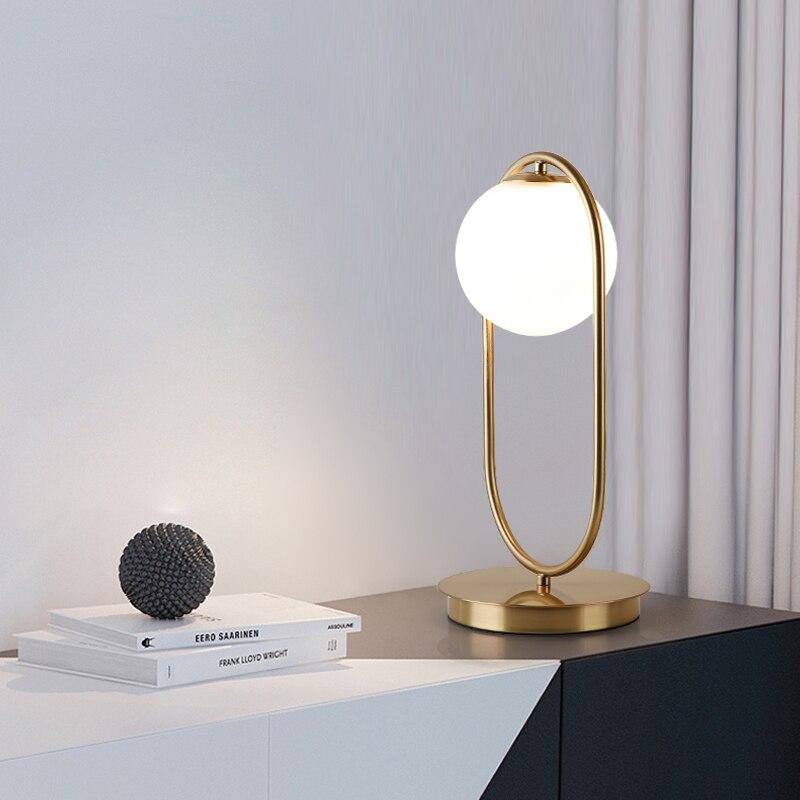


A design table lamp holds two roles simultaneously: light source and composed object. Neither can be resolved at the expense of the other.
A lamp that performs beautifully at night but sits awkwardly on a surface in daylight is only half a solution.
The best pieces are as deliberate in their proportions and material choices as in the quality of the light they produce.
The relationship between base, stem and shade is where design quality becomes legible. Proportions that feel resolved at a glance are the result of decisions made at the drawing stage, not adjusted in production.
This is the difference between a lamp that photographs well and one that holds up in a room over time.
The Glowe Studio selection spans several aesthetic registers, from minimal to more expressive. Browse the full table lamp range to explore formats across different materials and scale.
Form as the starting point
Before a design table lamp produces any light, it occupies a surface. Its silhouette creates a vertical element in a horizontal composition, and this formal contribution is present whether the lamp is switched on or not.
Choosing a lamp based solely on its lit appearance misses the larger part of its daily presence in a room.
Scale is the variable most consistently underestimated in the selection process. A lamp base that works at the correct height for a low console will read as proportionally different on a higher desk.
The shade diameter relative to the surface it sits on, the stem height relative to the eye level of the people in the room: these relationships determine whether the lamp reads as placed or as simply positioned.
Materials, finish and context
The material of a lamp base communicates a formal register that interacts with the rest of the room. Ceramic carries a craft quality; glass refracts and reflects; stone grounds; brushed metal sits between industrial and refined depending on the finish.
These are not neutral choices. They position the lamp within an aesthetic language that either coheres with the surrounding interior or creates friction with it.
The shade material determines the quality of the emitted light as much as the source itself. A linen shade absorbs and warms. A glass shade transmits and slightly diffuses.
A metal shade with a perforated or textured surface creates pattern. The combination of base material and shade material is where the personality of a modern table lamp is most clearly expressed.
Placement and role within the interior
A table lamp placed at seated eye level on a side table next to a sofa produces a pool of warm light at exactly the height where it is most useful and most visible.
This placement, low and lateral, creates an intimacy that ceiling fixtures cannot replicate regardless of their dimming capability.
The floor-level placement of a lamp, resting directly on the ground beside a chair, extends this logic further and introduces a raking light that reveals surface textures in the room around it.
Design table lamp: matching style to space
The range of design table lamps covers very different formal intentions. What follows organizes them by aesthetic register and use context rather than by technical specification.
Aesthetic registers and styles
Designer table lamps
Designer table lamps are defined by authorship as much as by aesthetics. Each piece carries a formal point of view that is traceable to a specific creative decision, a choice of material, a resolution of proportion, a treatment of the junction between base and shade.
This authorship is what gives designer pieces their staying power: they are resistant to trend because they were never conceived in response to one.
Designer table lamp
A single designer table lamp can anchor an entire room's decorative logic. Its material and formal register become the reference point against which other objects in the space are read.
This is a responsibility that a purely functional lamp does not carry, and it is the reason why the selection of a designer piece deserves a different level of consideration than a standard purchase decision.
Table designer lamps
The plural form of table designer lamps raises a different question: coherence across pieces. Two designer lamps in the same room do not need to match, but they need to share a formal language, whether that is a common material finish, a similar scale relationship between base and shade, or a shared aesthetic register.
The tension between two pieces that have nothing in common reads as incoherence rather than eclecticism.
Table lamp design
Table lamp design at its most resolved removes every element that does not contribute to the object's function or form. The base provides stability and visual weight.
The stem positions the shade at the right height. The shade manages the light. When each of these components is reduced to its essential expression, the result is a lamp that holds in a minimal interior without looking sparse and in a layered one without disappearing.
Design table lamp
The distinction between a design table lamp and a decorative lamp lies in the precision of its intentions. A decorative lamp adds ornament.
A design lamp resolves a problem, of light direction, of scale, of material presence, through the decisions embedded in its form. This precision is what makes it worth examining in person rather than selecting from a photograph.
Minimalist designer table lamp
A minimalist designer table lamp operates by reduction. The fewer elements it contains, the more each one needs to be exactly right.
A single ceramic base, a linen shade with a clean edge, a flush-fitted cord: in this configuration, every millimeter of proportion and every choice of finish is immediately legible.
There is nowhere for an imprecision to hide, which is precisely why these pieces are the hardest to design well.
Market position and price register
High end designer table lamps
High end designer table lamps justify their price through material quality and construction precision that does not photograph.
The weight of a stone base, the tension of a handwoven shade, the smoothness of a dimmer integrated into the cable: these are tactile and spatial qualities that become clear only in the presence of the object. The photographs show the form. The experience reveals what was invested in it.
Upscale designer table lamps
Upscale designer table lamps occupy a position where craft and design authorship intersect. The base is not cast but thrown or machined. The shade is not printed but woven or blown.
The finish is applied by hand rather than sprayed. Each of these production choices adds time and cost that does not appear in the visual presentation of the piece but accumulates in the way it reads in a room over years of daily presence.
Luxury designer table lamps
In the luxury register, the material itself carries most of the message. Alabaster, hand-blown glass, solid brass, turned marble: these are materials with their own visual history that the lamp inherits and recontextualizes.
A luxury designer table lamp is not a lamp that has been made expensive. It is an object in which the material's intrinsic qualities, translucency, weight, texture, are the design.
Designer glass table lamps
Glass as a base material behaves unlike any other. It refracts light from its own interior even before the lamp is switched on, and when lit from within, it transforms into a secondary light source alongside the shade.
A designer glass table lamp therefore produces two distinct visual effects depending on its position relative to natural light and to the bulb. This optical behavior is part of the design, not a side effect of the material choice.
Room-specific formats
Best designer table lamps for living rooms 2025
The living room places the most composite demands on a table lamp: it needs to hold as an object in full daylight, produce a warm ambient contribution in the evening, and work from multiple viewing angles simultaneously.
The best designer table lamps for living rooms in 2025 tend to resolve these demands through material quality and considered proportions rather than through added features or complexity of form.
Designer bedside table lamps
At the bedside, scale and control take precedence over formal ambition.
Designer bedside table lamps that work in daily use are those where the switch or dimmer is reachable without sitting up, where the shade directs light at reading angle without flooding the ceiling, and where the base footprint leaves enough surface for the objects that typically share a bedside table.
Good design here is measured in the details of daily interaction, not in the legibility of the object across a room.
Designer lamp tables
The surface a lamp sits on is part of its visual context and affects how it reads spatially. A designer lamp on a glass table appears to float above the floor. On a solid wood surface, the material of the lamp base enters into dialogue with the grain and tone of the wood below it.
On marble or stone, the lamp needs sufficient visual weight in its own base to avoid being absorbed into the surface it rests on. The table and the lamp are always composing together, whether or not that relationship was considered at the point of selection.
Design table lamp contemporary
A design table lamp contemporary in its formal language tends to avoid historical reference in favor of a precision that reads as of its moment.
Clean geometries, materials used without disguise, proportions that reflect current sensibilities about scale and restraint. What makes a contemporary lamp hold over time is the quality of those decisions, not their novelty.
A piece that was well-designed in its moment continues to read well after that moment has passed.
Design table lamps modern
Design table lamps in a modern register share a common approach to the relationship between function and form: neither is subordinated to the other.
The base does not become decorative at the expense of stability. The shade does not become sculptural at the expense of light quality.
This equilibrium is what gives modern design pieces their characteristic quality of looking inevitable, as if no other solution to the same problem could have been the right one.