

Unique wall sconce
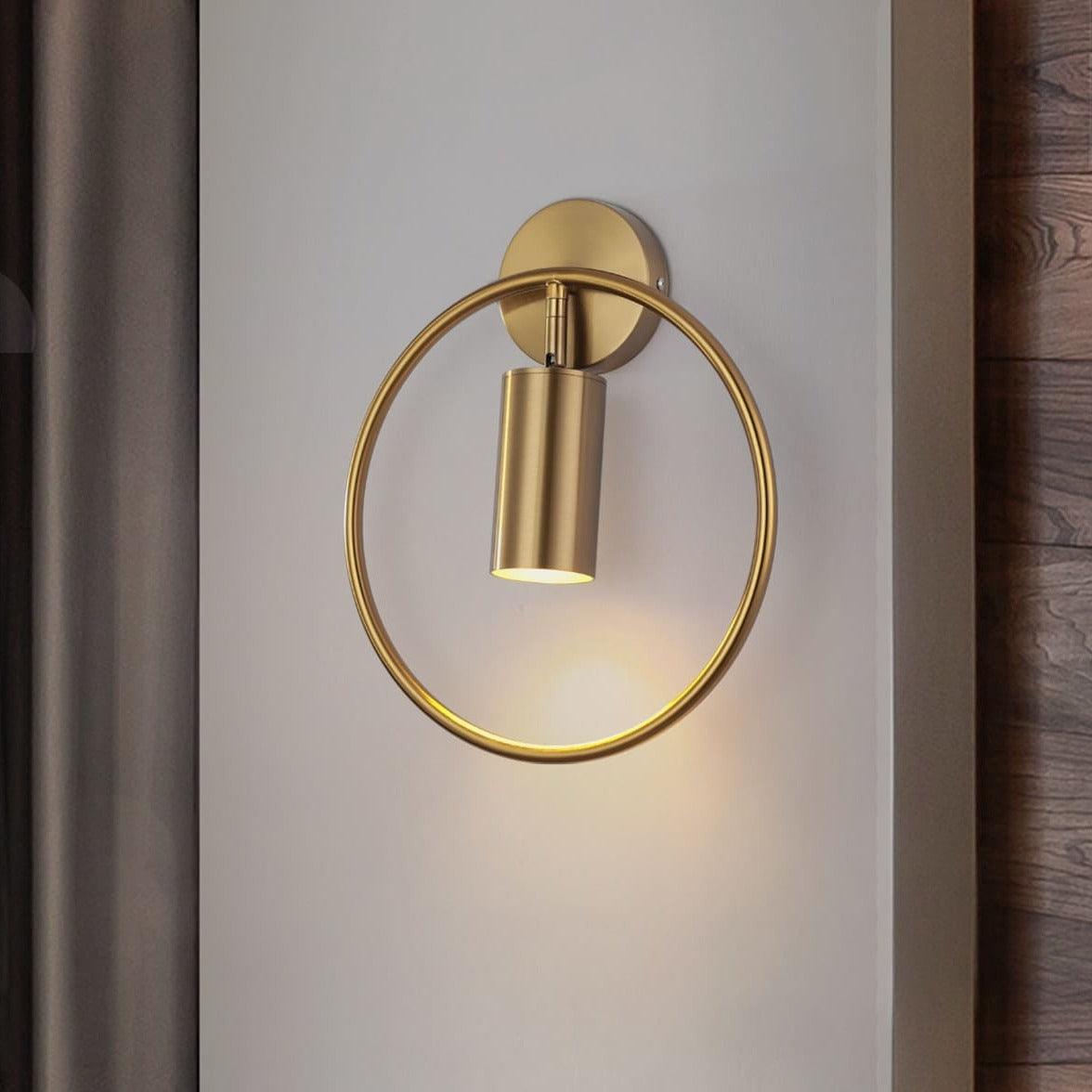
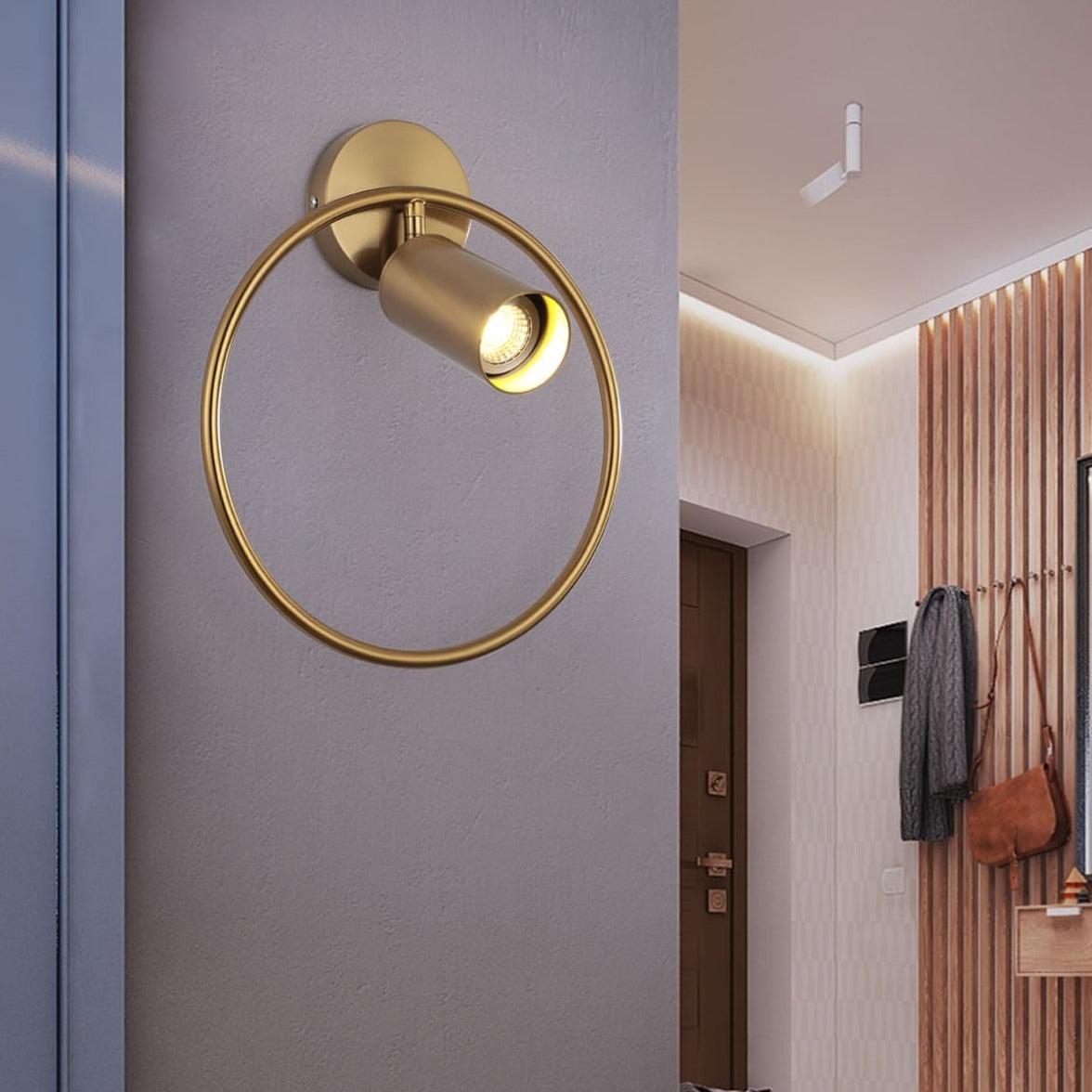
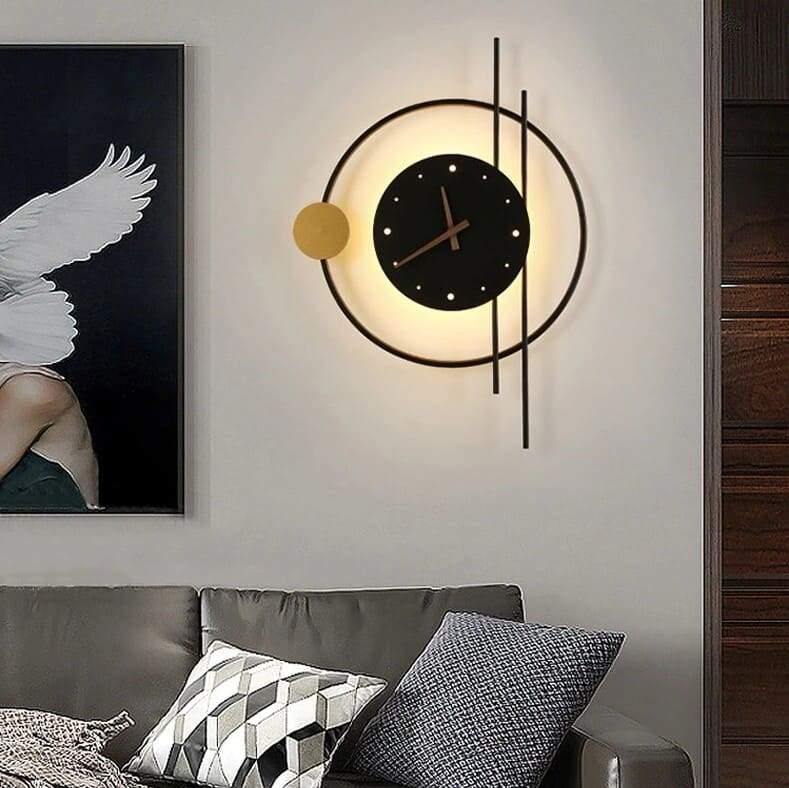
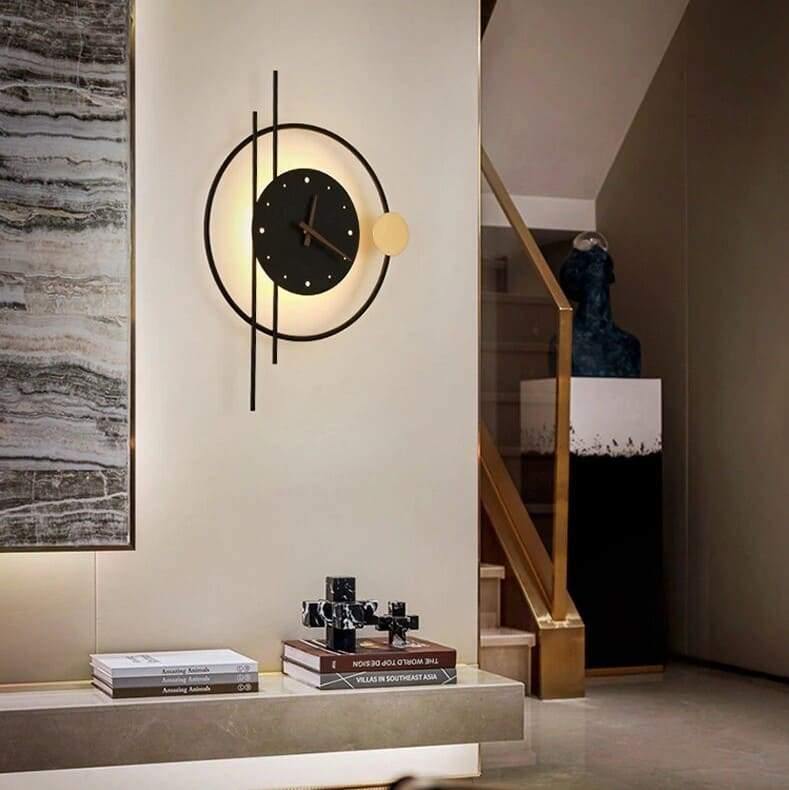


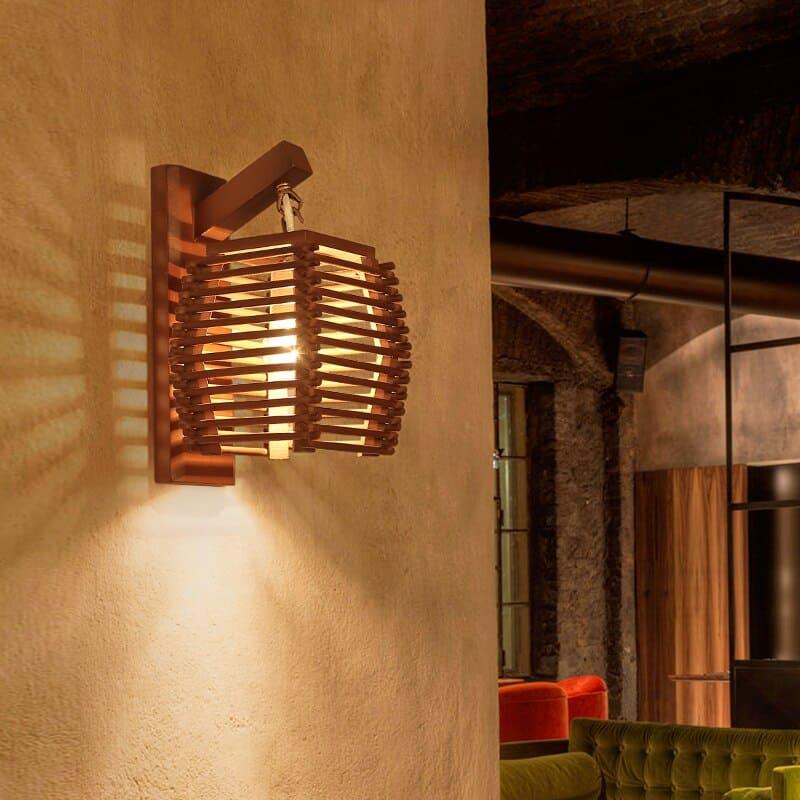
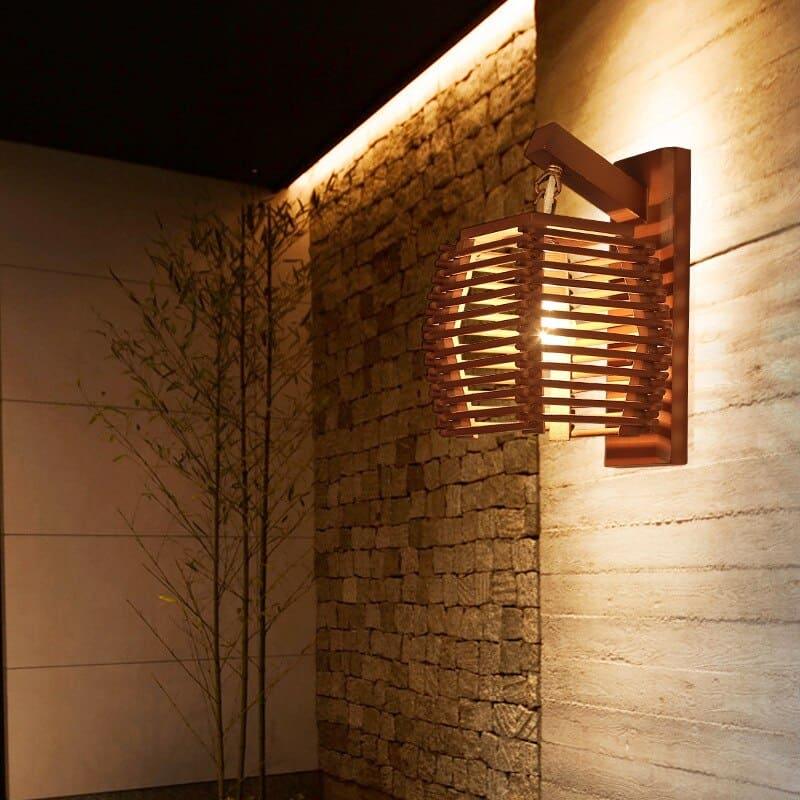


A wall sconce that draws the eye changes the status of the wall: it is no longer just a support, it becomes a surface for composition. Asymmetric shapes, unexpected materials, sculpted volumes — these models take on a decorative intent alongside their function. Within the wall sconces, they hold the place reserved for pieces chosen first of all for their design.
Shapes that step outside the frame
The difference can come from the silhouette: an off-centre disc, a folded stem, a pleated volume that catches shadow as much as light. It can also come from the scale, with pieces wide enough to stand alone on a bare wall, with no picture or shelf around them.
Material plays as much of a part as shape. Models in ceramic bring an irregular glaze that catches grazing light, while multicoloured pieces play on bold colour, echoing a textile or an object already present in the room.
Light that takes part in the design
On these models the shade is not neutral: it directs, filters and colours. A cup closed towards the front throws two symmetrical cones onto the partition; a translucent globe diffuses in every direction and turns the fitting into a luminous volume in its own right.
The choice of source therefore matters more than elsewhere. A visible bulb becomes part of the design and deserves an exposed filament rather than frosted glass. Conversely, behind a coloured diffuser, a warm light keeps the tone from turning greenish once evening comes.
Where to place a strong piece
A free wall remains the most favourable situation: a stairwell, a turn in a hallway, a stretch of wall between two windows. The piece needs a quiet background to exist, and enough distance to be seen from afar as well as close up.
In a room that is already busy, one marked intervention works better than repetition. An expressive wall sconce above a console table, paired with discreet points of light elsewhere, produces a legible hierarchy. For overall balance, the more restrained models in the designer selection serve as a useful counterpoint.
Variations on expressive models
Sculptural silhouettes
unique wall sconce with a sculptural shape for the living room
These pieces read like an object set on the wall, with pronounced solids and voids. Switched off, they play the part of a small sculpture; lit, their relief is doubled by cast shadows. Allow at least twenty centimetres of clearance on either side.
Materials reinvented
unique wall sconce in woven natural material
Fibres, pleated paper, terracotta: these materials filter light instead of returning it. The result is softer, more textured, and ages visibly, which is part of the appeal. They suit interiors where wood dominates.
Playing with colour
colourful unique wall sconce for a child's bedroom
The colour can stay crisp and graphic or melt into a gradient. In a child's room it becomes a landmark and a night light at once, provided it stays below an intensity that tires the eyes. A dimmable source makes it easier to live with.
A singular piece needs little around it: a bare wall, a good mounting height, and the rest of the lighting held back.